So, you’ve decided to get creative and start your first upholstery or sewing project. Maybe you’re upcycling furniture, re-covering a chair, or trying your hand at sewing panels. You’re ready to go — but what tools do you actually need to begin?
When you’re just starting out, it can feel overwhelming. There are so many upholstery and sewing tools on the market, but the truth is: you only need a few essentials to start.
Pro Tip: Start with high-quality basics. A well-made pair of scissors or a reliable staple gun will last years, and you can add to your kit as your projects grow.
✂️ Upholstery Cutting Tools – Scissors, Snips & Scalpel
A sharp pair of scissors is non-negotiable.
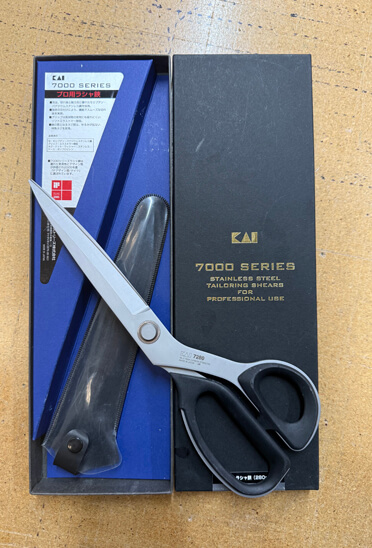
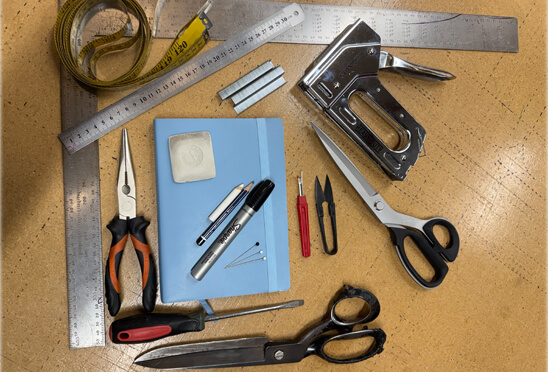
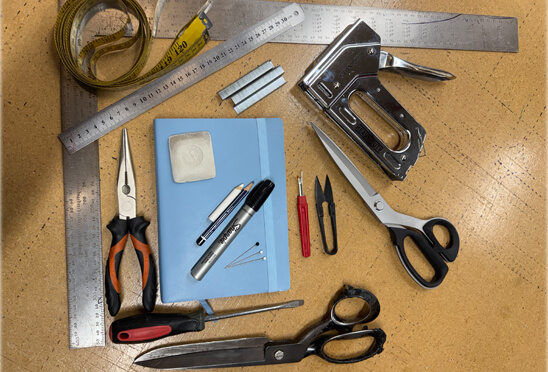
- Fabric scissors – Keep one pair exclusively for fabric. High-quality steel (e.g., Japanese steel) resists dulling and holds a sharp edge longer.
- Utility scissors – An older pair for zips, plastics, card and non-fabric materials.
- Snips – Perfect for trimming threads and unpicking seams.
- Scalpel – Ideal for precision work, tricky seams, and detailed cut-outs.
✏️ Fabric Marking Tools – Pens, Pencils & Chalk
Whether you’re sewing or reupholstering, accurate markings are key.
- Our go-to is the Stabilo All Water Soluble White Pencil — bright, precise, and easily removed.
- Chalk and fabric pens are also great options, depending on your fabric type.
Measuring Tools for Upholstery & Sewing
Accuracy saves time (and fabric). Keep these close at hand:
- Soft tape measure – Great for curves and contours.
- Steel ruler (30 cm or 1 m) – Essential for straight lines.
- Framing square – For precision alignment and corners.
Staple Removers & Tack Lifters
Before you add fabric, you’ll likely be stripping furniture.
A staple remover makes it easier to pull staples without damaging wood or foam.
My hack? A rounded flathead screwdriver — lifts staples and trims with minimal damage. Take care during removal.
Staple Gun – Upholstery’s MVP
One of the most used upholstery tools is the staple gun.
Manual staple gun – Portable and beginner-friendly. Great for securing fabric tightly to frames on light upholstery projects.
We’ll cover electric and pneumatic options in a future episode for heavy-duty fabrics like leather or canvas.
Sewing Machine – When You Need It
Not every beginner project requires sewing, but when it does:
Domestic machine – Works for light fabrics; spending a little more improves ease of use and finish.
Industrial or walking-foot machine – Essential for upholstery fabrics.
We’ll dive into upholstery sewing machines in a future Hints & Tips episode.
Basic Upholstery Hand Tools
A simple kit will cover most beginner needs:
- Upholstery tacks and hammer
- Screwdrivers
- Pliers
These are invaluable for dismantling and reattaching panels.
Bonus Tools to Make Life Easier
Notebook – For sketches, notes, and measurements.
Cutting board – Protects your work surface from cuts and spills.
Pins & clips – Keep fabric in place before sewing or stapling.
With this beginner upholstery toolkit, you’ll have everything you need to start your first project. Focus on quality over quantity — your results will show it.